Why Professional Pressure Washing Is Vital Before House Painting
A fresh coat of paint is one of the most effective ways to lift the look and value of a Toowoomba home, but the finish is only as good as the surface beneath it. Paint applied over dirt, mould, chalky residue or loose flaking material will not bond properly, and the result is often peeling, bubbling and patchy colour within a year or two. Professional pressure washing is the step that sets up everything that follows, and skipping it is one of the most common reasons exterior paint jobs fail early.
Why Paint Needs a Clean Surface to Adhere
Paint works by forming a mechanical and chemical bond with the surface it is applied to. Anything sitting between the paint and the substrate weakens that bond. Even a surface that looks reasonably clean to the naked eye can carry a thin film of grime, oxidised paint, pollen, spider webs and airborne dust that prevents proper adhesion.
Paint manufacturers consistently specify that surfaces must be clean, dry and sound before application. Following this instruction is also important for warranty purposes, since many paint warranties can be affected if the surface was not correctly prepared.
What Pressure Washing Removes
A professional clean tackles a range of contaminants that build up on exterior walls, eaves, fascia, gutters, fences and trims over time.
- Dirt and dust: Toowoomba's dry spells, winds and seasonal pollen leave a fine layer on walls that blocks paint from gripping.
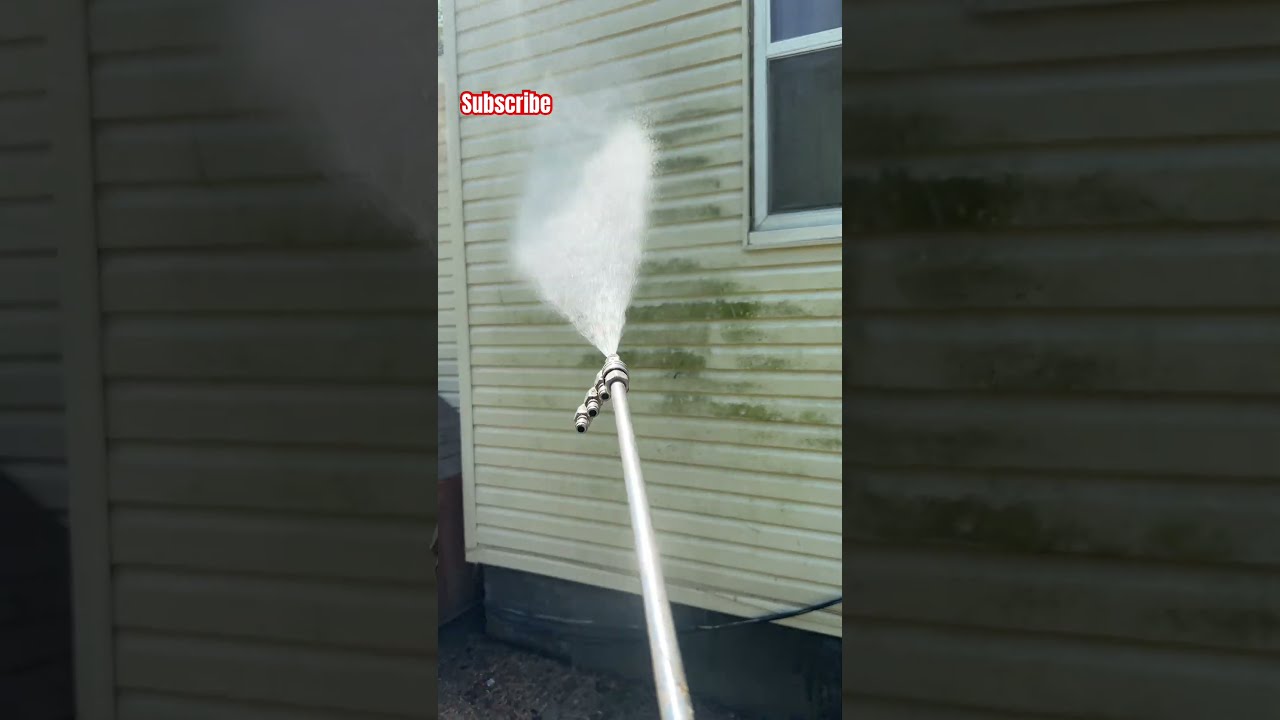
- Mould, mildew and algae: These grow in shaded, damp areas such as south-facing walls, under eaves and around downpipes. Painting over them allows regrowth to push through the new coat.
- Chalking paint: Older paint breaks down under UV exposure and leaves a powdery residue that must be removed so new paint can bond.
- Loose and flaking paint: Failing paint needs to be lifted off so the new coat is not applied over unstable layers.
- Cobwebs, insect nests and bird droppings: These collect around roof lines and window frames and leave stains and uneven texture.
- Grease and stains: Marks from rust, tannins, and vehicle or cooking residue can bleed through fresh paint if not treated.
Toowoomba Conditions That Make Preparation Even More Important
Toowoomba's climate puts exterior paint under real pressure. Summers bring strong UV and heat that cause paint to fade, chalk and crack, while cooler, damp winter mornings and storm season moisture encourage mould and mildew in sheltered areas. Hot afternoons, cold nights and occasional heavy rain cause surfaces to expand and contract, which exposes any weakness in the paint bond.
The city's many older homes, including weatherboard and character properties, often have multiple layers of aged paint. These surfaces particularly benefit from thorough washing to remove loose layers and reveal any underlying issues before a painter begins.
Why Professional Pressure Washing Beats DIY
Hiring a hose and a rental machine may seem like a way to save money, but incorrect pressure washing can cause real damage. Too much pressure can gouge timber, force water behind cladding, strip mortar from brickwork, damage window seals and push water into wall cavities and eaves.
The Right Pressure for the Right Surface
Different materials call for different approaches. Brick, rendered walls, Colorbond, fibre cement, weatherboard and concrete all tolerate different pressures and nozzle types. Professionals adjust the pressure, distance and technique to suit each surface, and often use a lower-pressure soft wash method for https://claytonedbg035.meridiannest.com/posts/the-hidden-structural-risks-of-leaving-mould-on-walls delicate cladding and for applying mould-killing treatments.
Proper Treatment of Mould and Mildew
Water pressure alone often does not kill mould spores. A professional will typically apply a suitable biocidal or cleaning solution, allow it to work, then rinse thoroughly. This reduces the chance of mould returning beneath your new paint.

Safety and Access
Cleaning upper storeys, gables and high eaves involves working at height. Professionals have the equipment, extension systems and training to do this safely, and they know how to protect gardens, outdoor furniture, electrical fittings and nearby plants during the process.
Benefits of Pressure Washing Before Painting
- Longer-lasting paint: Better adhesion means fewer peeling and blistering problems.
- A smoother, more even finish: Removing debris and texture imperfections allows paint to go on cleanly.
- Accurate colour: Paint applied over stained or dirty surfaces can look patchy or dull.
- Problem detection: A clean surface reveals cracks, rot, gaps, rust and damaged render that need repair before painting.
- Better value: Repainting is a significant investment, and proper preparation helps protect it.
Allow Adequate Drying Time
After washing, surfaces need to dry thoroughly before any paint is applied. In Toowoomba, drying often takes one to two days in warm, dry weather, but longer in cool, shaded or humid conditions. Timber and porous masonry hold moisture longer than painted metal or dense surfaces. Painting over damp surfaces can trap moisture and lead to blistering, so your painter should confirm the surface is completely dry first. Many professionals use moisture meters on timber to be certain.
Coordinating Pressure Washing and Painting
The best results come from planning the two jobs together. Here is a simple sequence that most well-run projects follow.
- Inspect the property to identify problem areas such as mould, flaking paint and damaged surfaces.
- Pressure wash walls, eaves, fascia, gutters, fences and any other areas to be painted.
- Allow the surfaces to dry fully.
- Complete repairs, including sanding, scraping, filling and sealing gaps.
- Prime bare or repaired areas as required.
- Apply the finish coats under suitable weather conditions.
Environmental and Compliance Considerations
Runoff from washing can carry paint chips, detergents and debris into stormwater drains. Responsible operators manage wastewater, avoid sending contaminants into the stormwater system and take care with plants and soil. Homes built before the mid-1980s may also contain lead-based paint, so if you own an older Toowoomba property, mention it to your painter and cleaner so that appropriate precautions can be taken when removing old paint layers.
Choosing a Pressure Washing Service in Toowoomba
When selecting a provider, look for a few key qualities:

- Experience with different surfaces such as brick, render, timber and metal roofing.
- Appropriate insurance, including public liability cover.
- Knowledge of soft washing and mould treatment methods.
- Willingness to coordinate with your painter on timing and scope.
- Clear, written quotes and straightforward communication.
Final Thoughts
Pressure washing may not be the most glamorous part of a repaint, but it is among the most important. A thorough professional clean removes the contaminants that cause paint to fail, exposes hidden defects and gives your painter the best possible foundation. For Toowoomba homeowners dealing with strong sun, seasonal moisture and ageing surfaces, investing in professional pressure washing before painting is a practical way to protect your investment and enjoy a better-looking, longer-lasting finish well into 2027 and beyond.
Toowoomba Pressure Cleaning Pros
(07) 4646 4034